Writing
Writing about why products win or lose in the market, how product leaders evolve, and what AI changes and what it doesn't.

As Built vs. As Sold
Most Product Managers know to manage one product. In enterprise B2B, there are always two - the product as built, and the product as sold. I learnt this the hard way. The gap between them is wider than ever in the agentic era.
A New PM Role in B2B: The Deployed Product Manager
OpenAI's Deployed Product Manager role signals a structural shift in B2B product work: as AI compresses build cycles, the bottleneck moves from shipping to adoption, and PMs who only own delivery are leaving the most important part of the job undone.
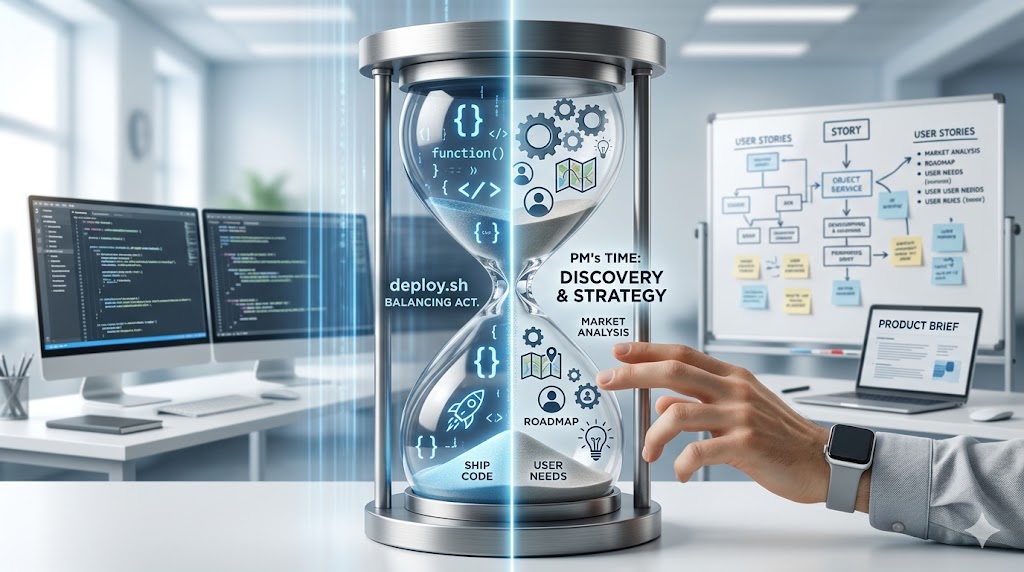
Should PMs Ship Code?
Mandating PMs to ship code comes with real opportunity costs.
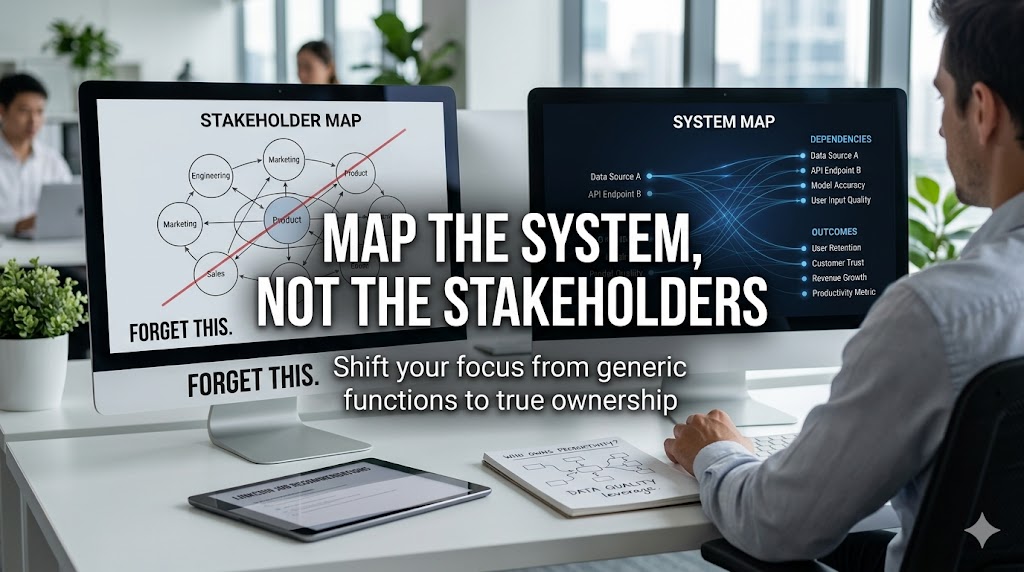
Rethinking Stakeholder Maps
Skip traditional stakeholder mapping templates that focus on generic corporate functions.

Shifting Career Tracks
Roles that look like detours often build the judgement that changes your trajectory entirely.

Dear CPO, Mind The Gap
The CPO's real job is owning the questions nobody else will.
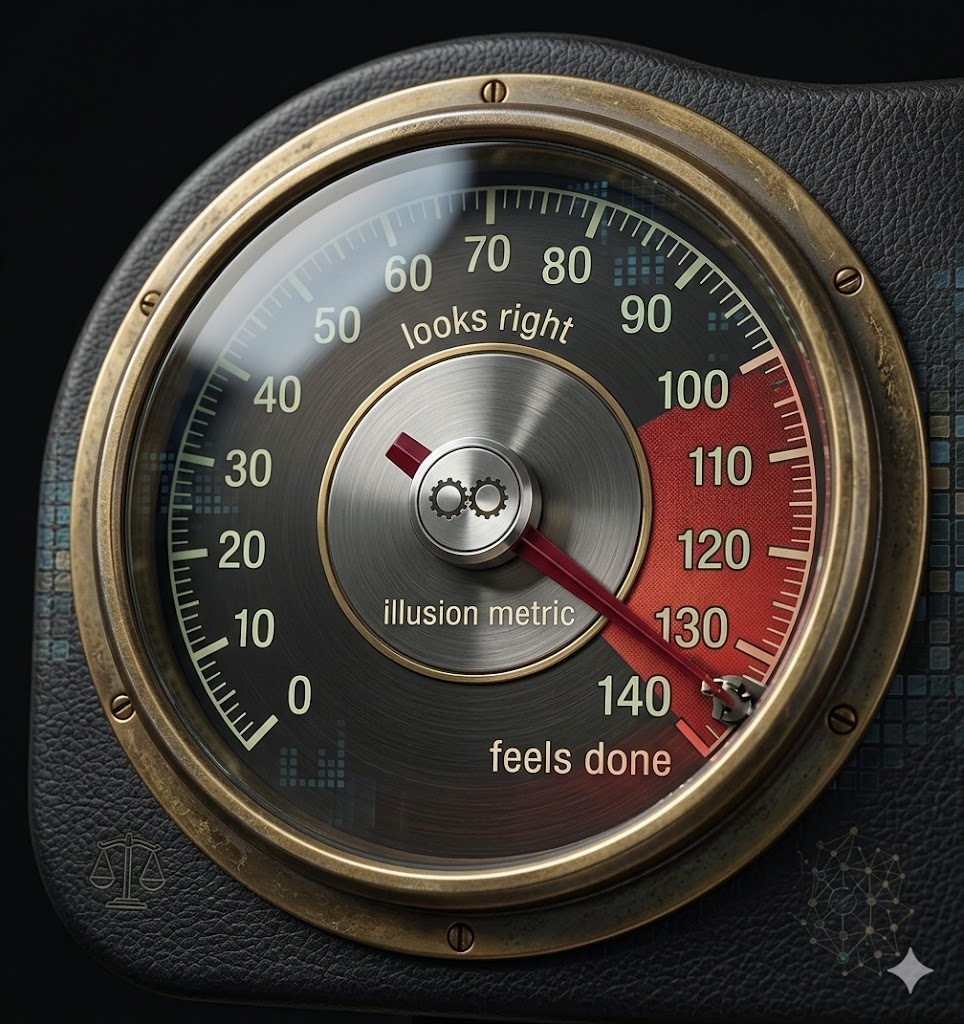
AI Builds Fast and the Output Looks Right - That's the Problem
LLMs are trained to product output that looks right, not output that is necessarily right.
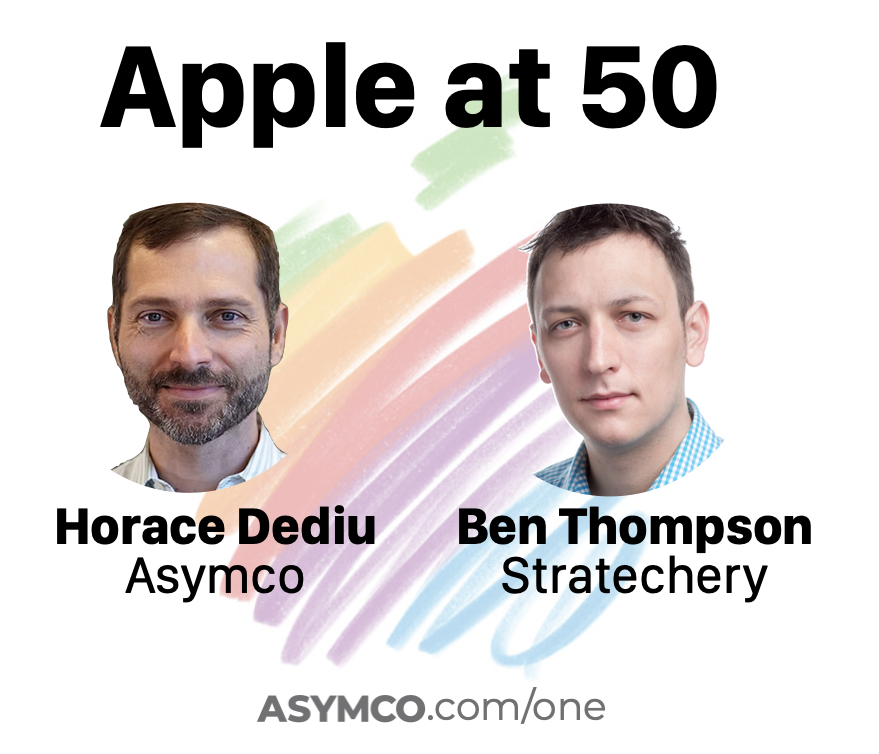
Apple at 50
Ben Thompson of Stratechery and Horace Dediu of Asymco discuss Apple at 50.

Is the Future PM a Goal Architect?
Andrew Chen's "Goal Architect" framing assumes PMs are primarily output creators. But PRDs and specs follow from judgment, not the other way around. The hard part was never the artifact. It was deciding what matters, aligning people around it, and owning the outcome, and that's not computational.

A Seat at the Strategy Table is Not a Title Perk
Inclusion in strategy discussions is not automatic, it is earned.

There's Something More Important than Cross-Functional Collaboration
Product leaders are evaluated on cross-functional collaboration, but collaboration without prior credibility is just coordination.

Why GTM Sense is Important for PMs
The PMs who keep growing are the ones who develop GTM sense, connecting product decisions to revenue, distribution, and adoption, even when they don't own those functions.
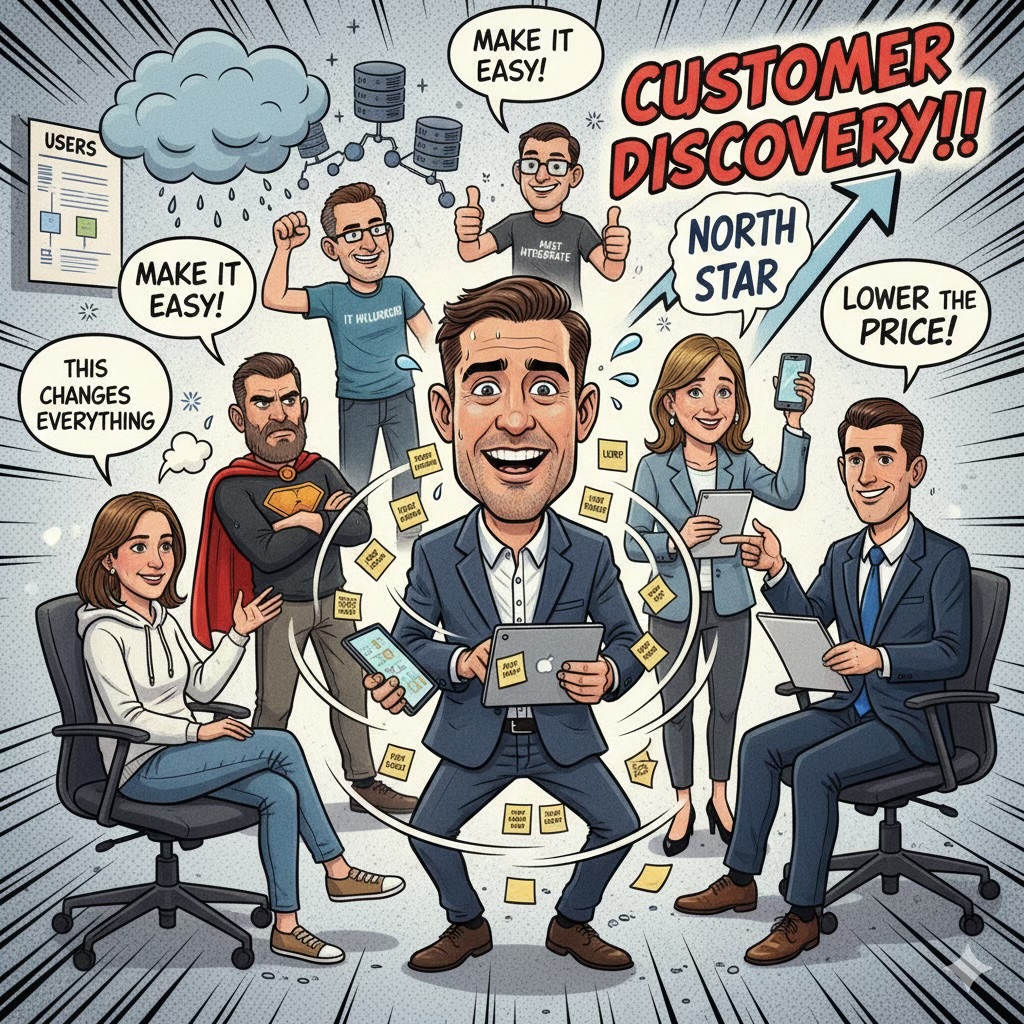
We Should All Report To Users
When Haier acquired GE Appliances, the CEO's answer to 'who will we report to?' was unusual. It's a model worth understanding.
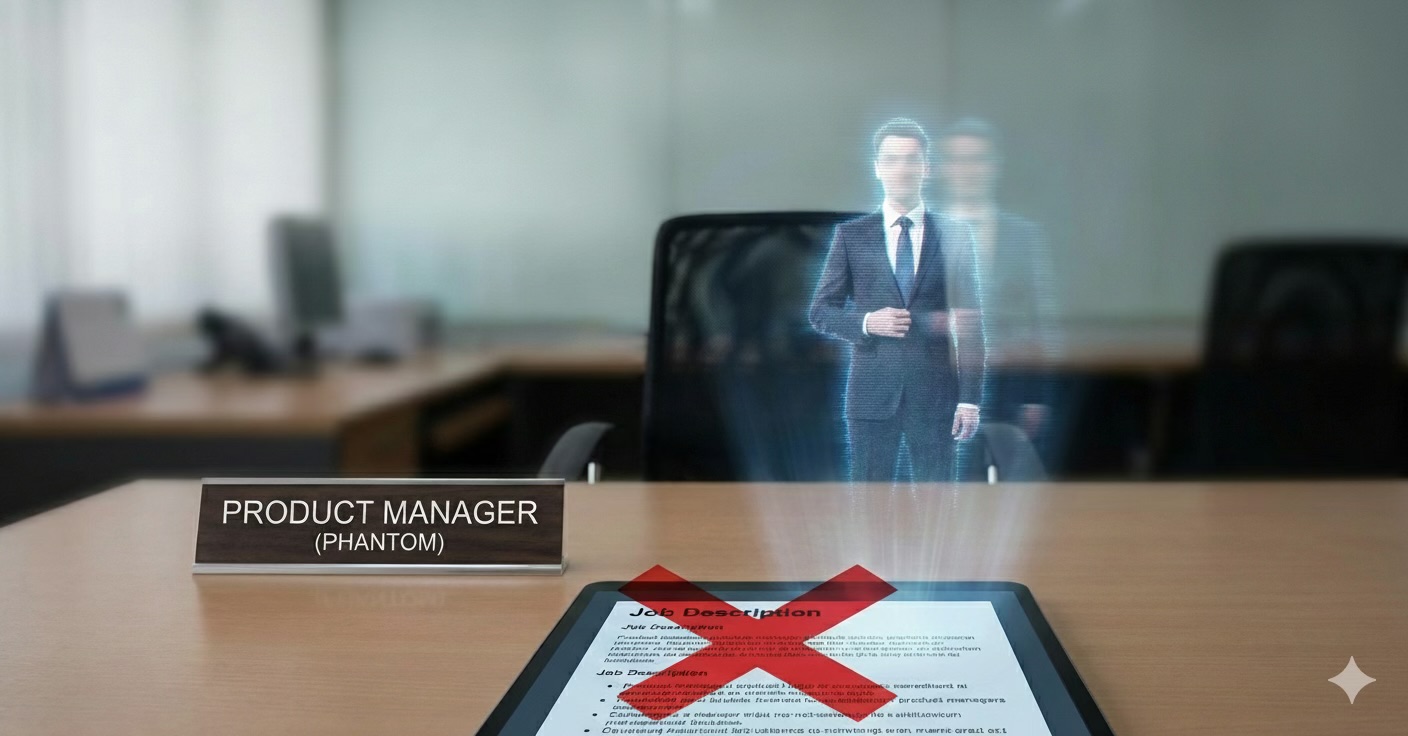
The PM Role that is 'Being Killed' Never Existed
The traditional perception of product managers as merely documentation and backlog managers does not reflect the actual scope of the role.
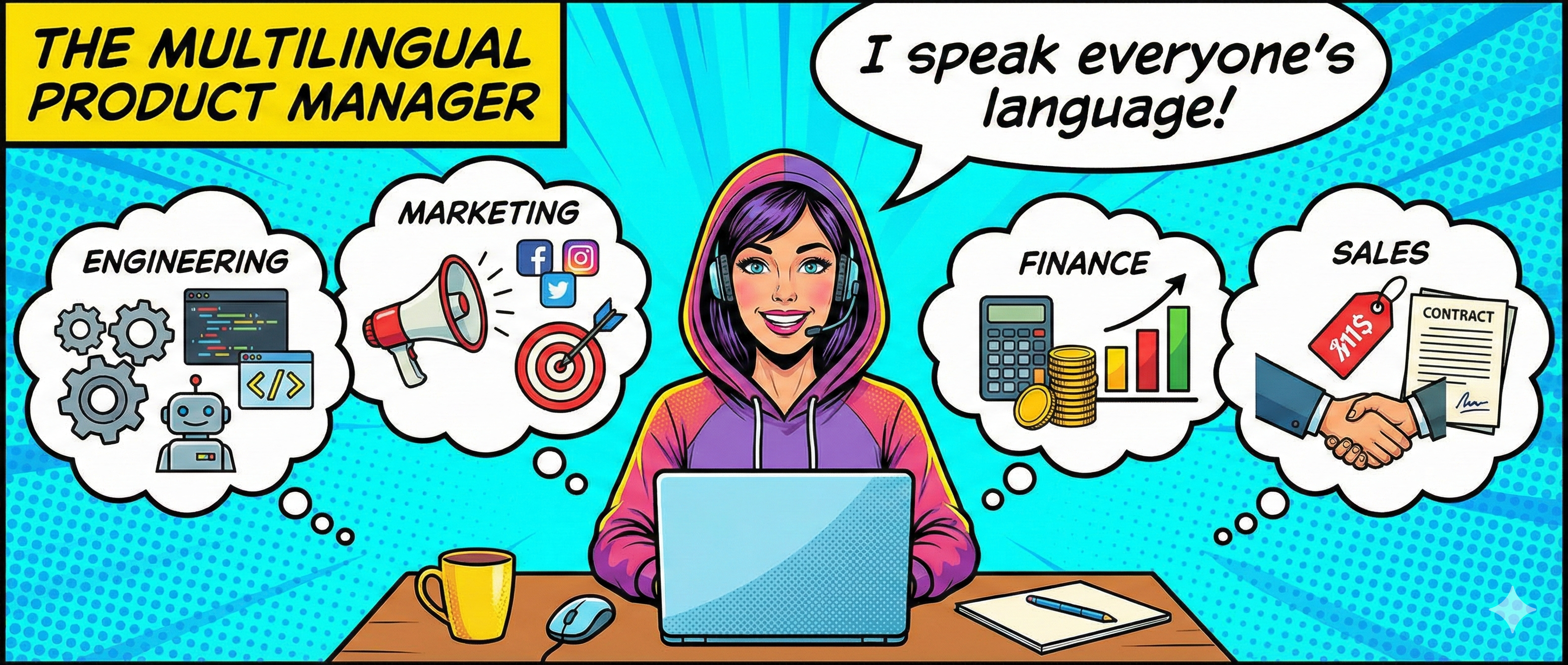
Why Product Managers Need to be Multilingual
Engineering, marketing, sales, finance, executive strategy — each speaks a different language. When you learn them all, you signal that you understand how the product becomes a business.
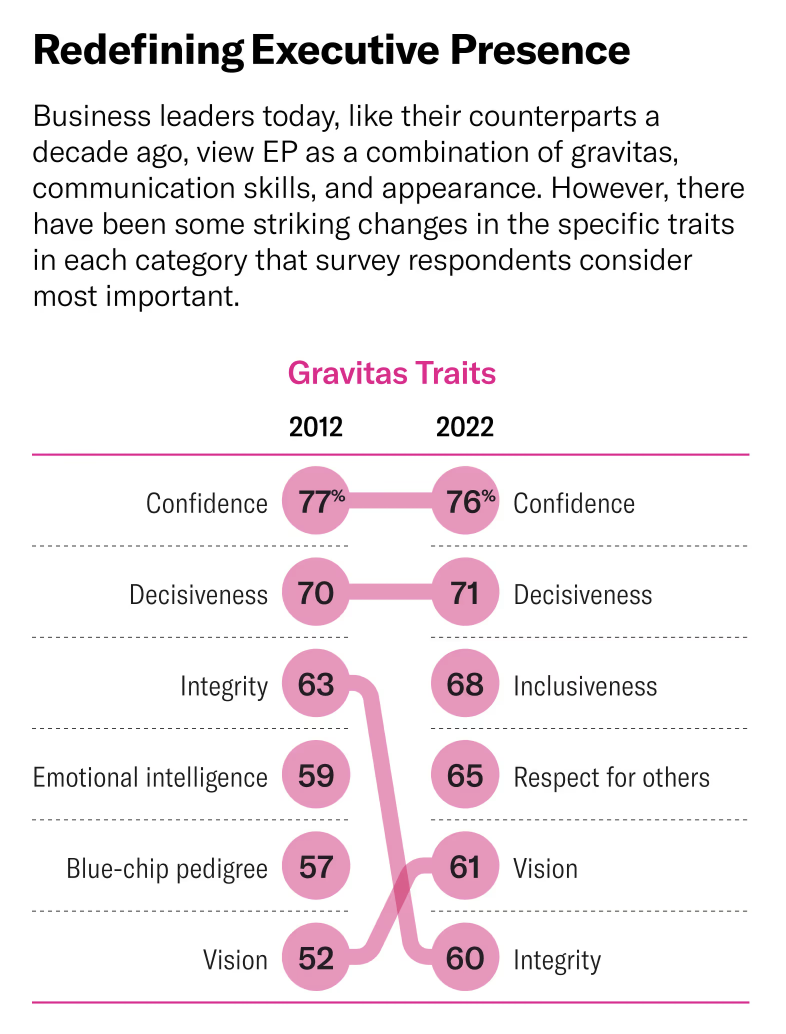
Executive Presence Starts Before the Title
Titles come later. Presence starts today. A small daily choice is a reminder of how you want to carry yourself — and perhaps, a vision of your future self.
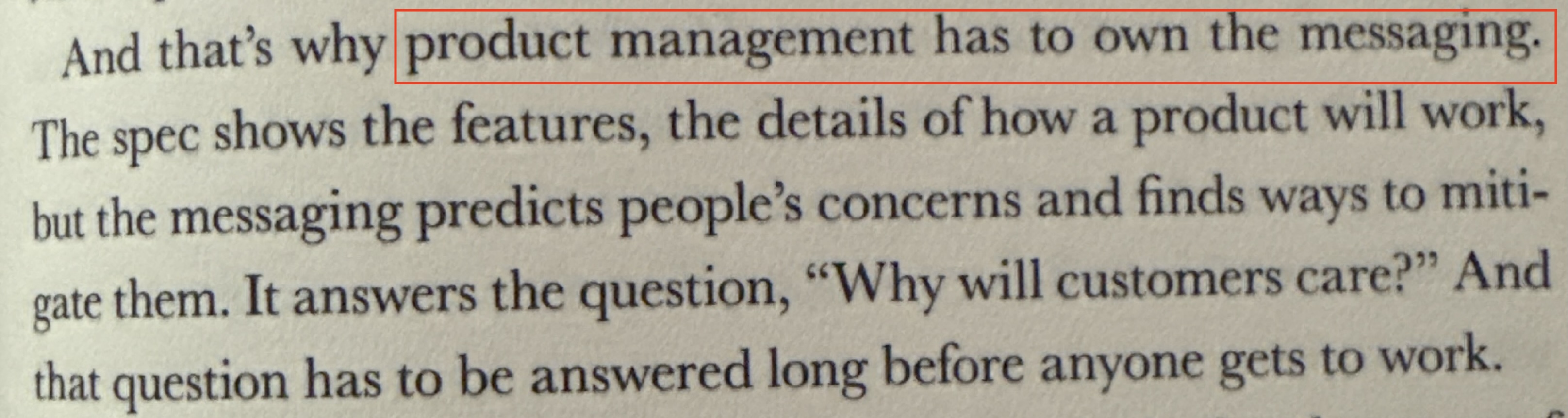
Dear PM: You own the messaging of your product.
If you don't write the story of your product, someone else will. And you probably won't like their version.
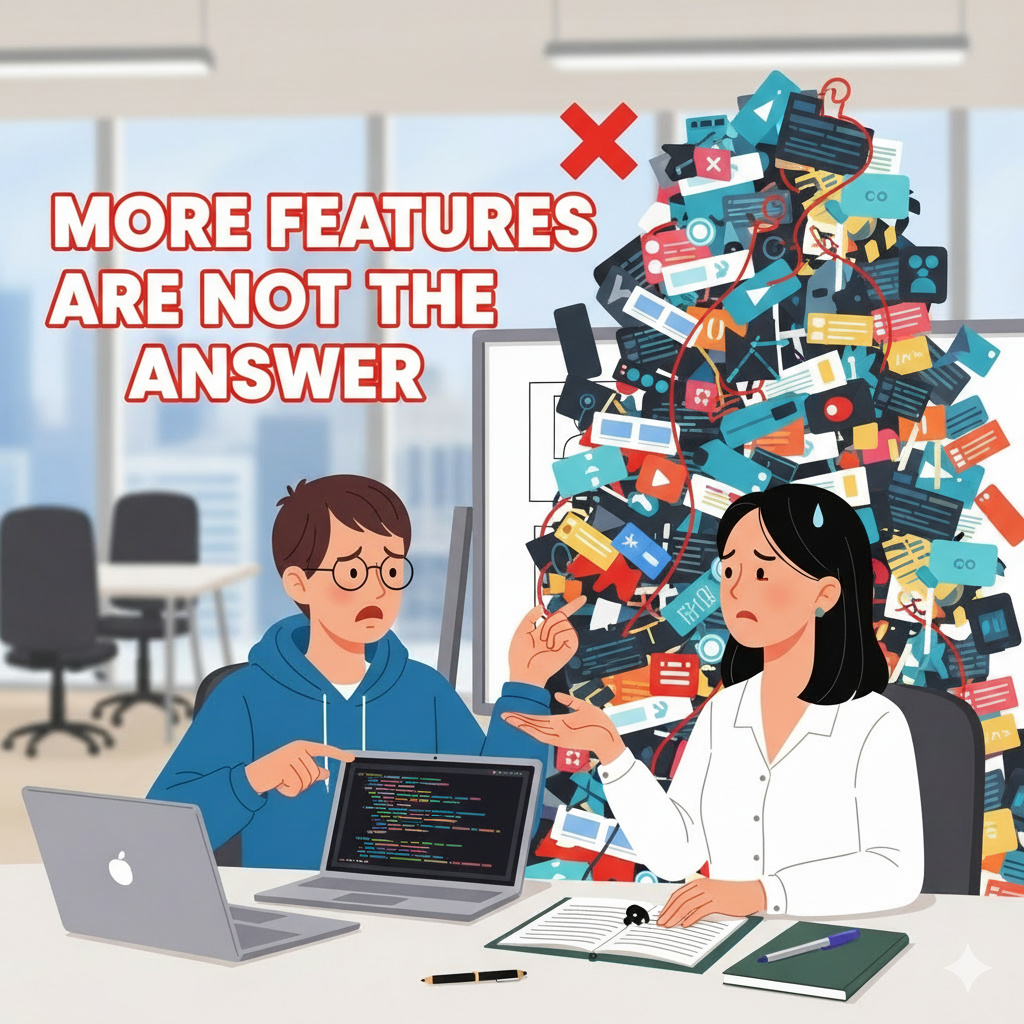
Dear PM: More features are not the answer.
After simplifying from 80+ SKUs down to 12 and removing license key friction, sell-through doubled in two quarters. Adding more features is not the only answer.

Dear PM: Here's a way for devs to love you more!
If we don't know how your product sells, we don't really know our product. GTM isn't someone else's job.

Marathons vs Decathlons
We get to define the race, not to run against AI, but with AI.

1:1s with CxOs — Make them count
1:1 meetings with C-level leaders have one of two outcomes. Here's how to make sure they walk away thinking you can connect the dots.
Moravec's Paradox says Product Management is NOT DEAD!
Moravec's Paradox, the principle that what is easy for humans is hard for AI and vice versa, reframes the AI versus PM debate: AI amplifies PMs on structured tasks while human judgment, stakeholder influence, and abductive reasoning remain distinctly ours.

Getting the First PM Role
Saying 'I want to be a PM' is like saying 'I want to sit in the window seat on the left side of the train.' Where is the train going?

The Poker Player's Guide to Product Management
Product management seen through the lens of professional poker: luck and skill are independent variables, you do not control the hand you are dealt, reputation at the table compounds over time, and the best PMs play a long game of repeated smart decisions.
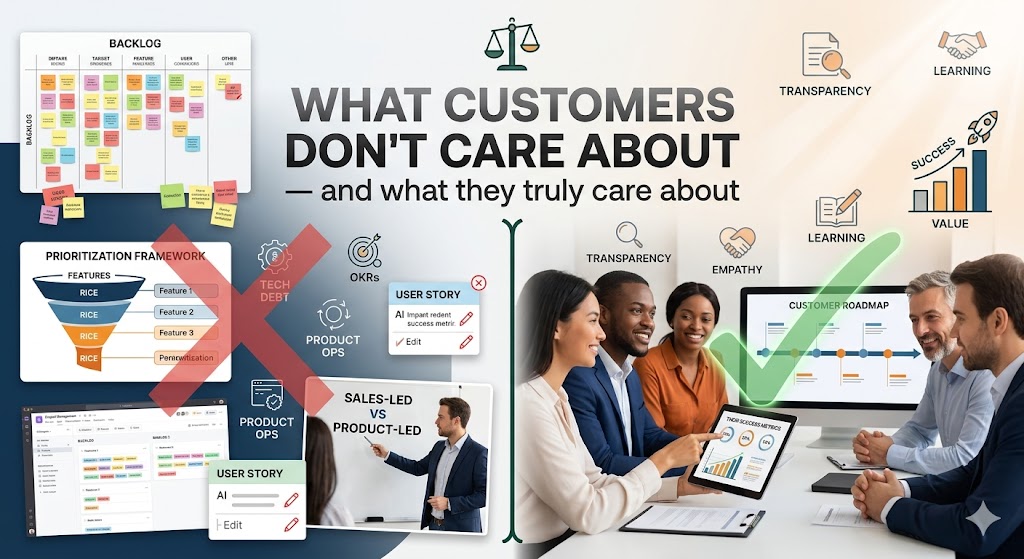
What Customers Don't Care About
The end of year is a good time to put things in perspective. Here is what our customers don't care about — and what they truly care about.

Why Me?
When you start a new role, one question that often doesn't get asked can give you the clearest signal of your perceived strengths.

How to Align Star Performers with Team Goals
Phil Jackson's conversation with Michael Jordan about the Triangle Offense is a masterclass in aligning individual excellence with team success.
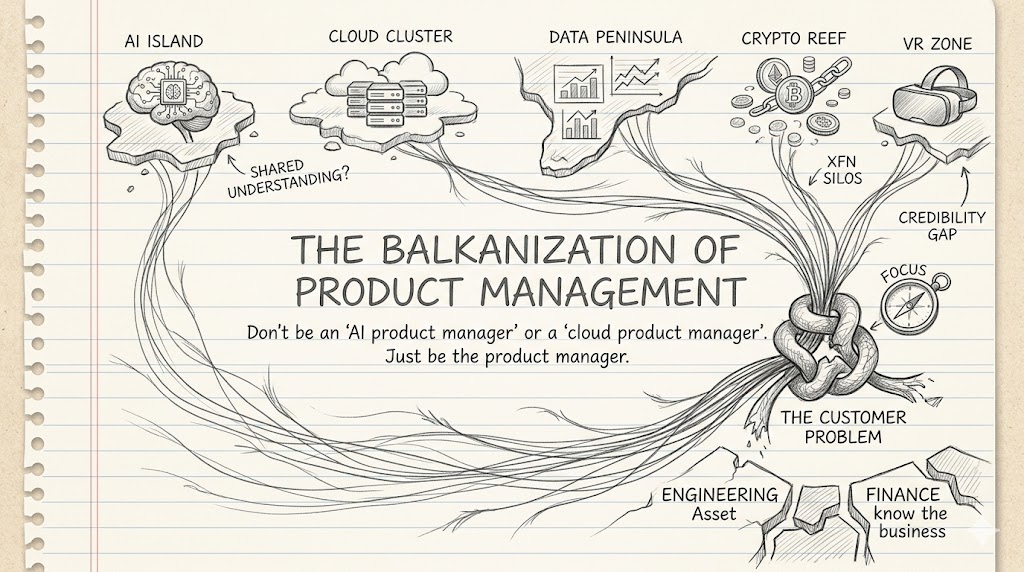
The Balkanization of Product Management
Don't be an 'AI product manager' or a 'cloud product manager'. Just be the product manager.

Your First Day On The Job — Carpe Diem, Seize the Day!
Three lessons from a first day at a dot-com startup where no one made introductions: why new hires should take charge of their own onboarding through note-taking, managing anxiety, and mapping what is known and unknown.
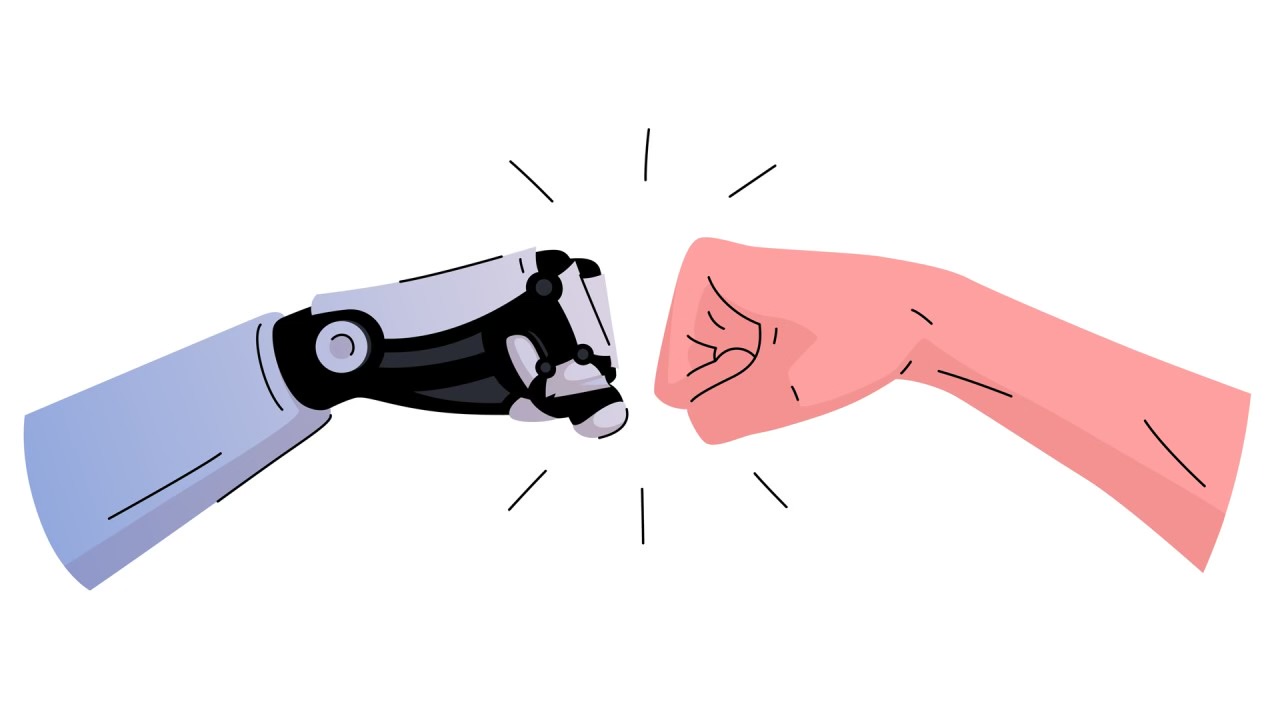
Thoughts on 'Making Peace with Generative AI'
Are we too quick to lower the threshold of accuracy we've always expected from computing? Some thoughts ahead of Labor Day weekend.
Thoughts on Product Manager as 'CEO of the Product'
'CEO of the Product' is not about authority or jurisdiction. It is a mindset — and one that separates good PMs from great ones.
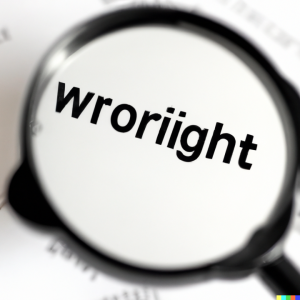
The Power of 'Usefully Wrong' Answers: Microsoft's Take on AI
Microsoft's framing of AI as capable of giving "usefully wrong" answers is more familiar than it sounds: impressionist painting, scientific models, and white lies all show how humans have long relied on approximations that are inaccurate yet genuinely useful.

What Product Teams Can Learn From Bill & Melinda Gates
Bill and Melinda Gates' partnership at the Gates Foundation, where one focuses on technical solutions and the other on human adoption barriers, maps directly onto how great product teams divide and share responsibility.

The Office Season 4 Episode 12: Ideation
A frame-by-frame breakdown of a two-minute scene from The Office Season 4 that illustrates every classic failure in ideation: impatience, unclear evaluation criteria, ego-driven selection, and a process that devolves into pleasing the boss.
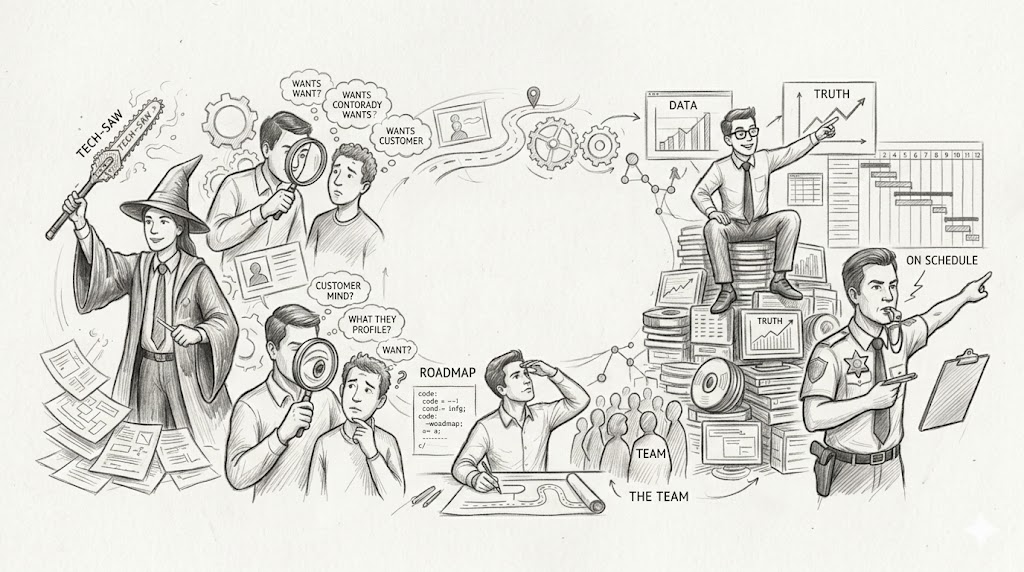
Five Myths About the PM Role
Very good tweetstorm by @noah_weiss, Head of Search, Learning, & Intelligence at @SlackHQ in NYC. Former SVP of Product @foursquare + Google PM on structured search. St…

Who is a Product Manager?
Why saying "I am a product manager" tells no one anything meaningful, and how PMs can introduce themselves in terms of who they make successful, giving the role a clear identity across customers, engineers, marketing, and sales.
Has Product Management really been "Historically Reactive and Gut-Driven"?
A rebuttal to the claim that product management is "historically reactive and gut-driven": mapping Neil McElroy's 1931 Brand Man memo to the modern PM role shows that experimentation, market analysis, and full accountability have always been at the core.

Why Has Business Education Failed Business
Most recent graduation of the PES university cohort of Institute of Product Leadership’s Executive MBA in Product Leadership This article [Want to Kill Your Economy? Have MBA Programs Churn out Tak…

The Problem We Solve is the Question We Ask
Google and Facebook's balloon and drone projects frame connectivity as a technology problem, but Question Box asks a more human-centered question: the problem we solve is the question we ask, and the right question leads to better solutions for people actually left behind.
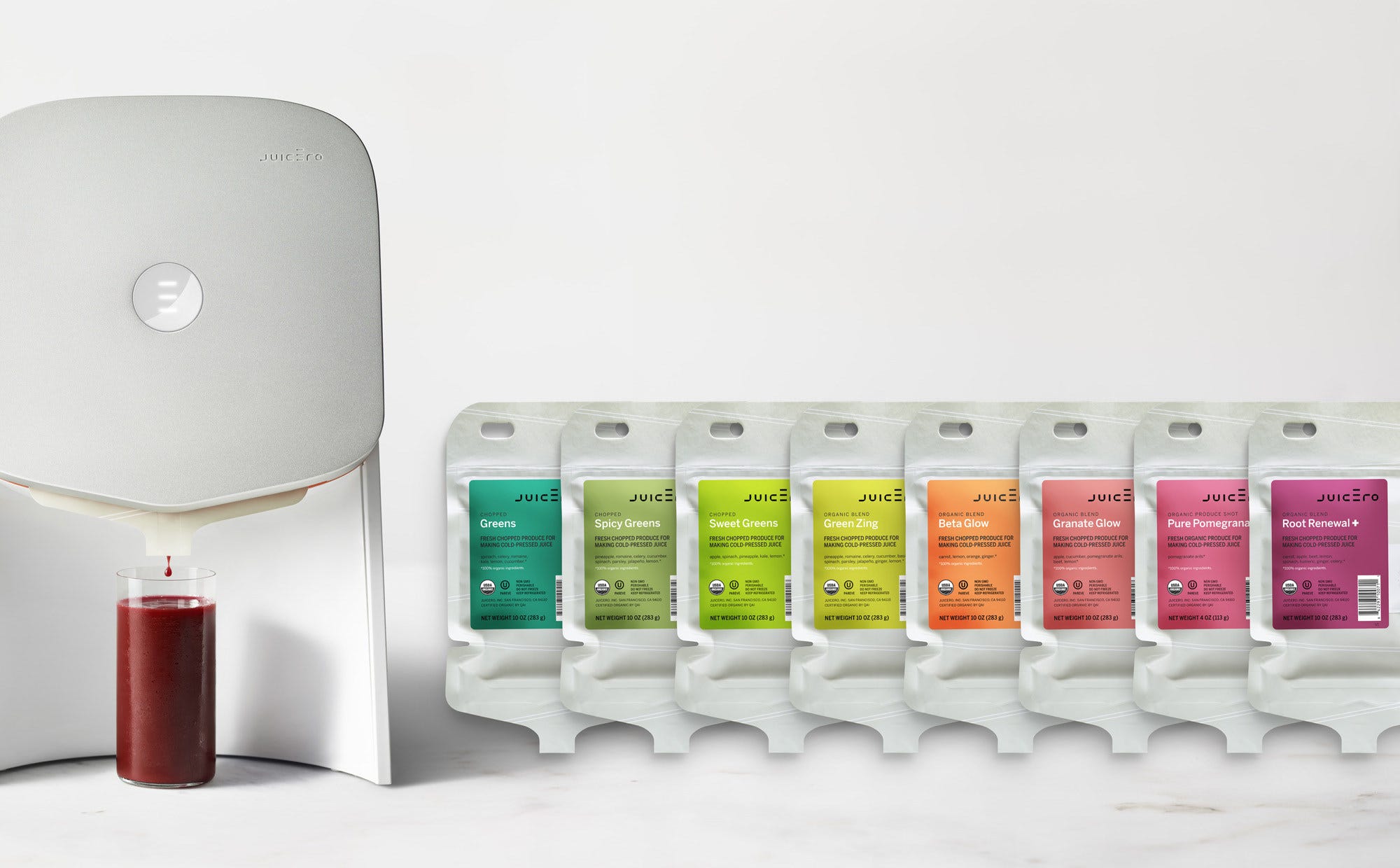
What Can We Learn From The $400 Juicer That's Supposedly Destroying Silicon Valley?
A defense of the Juicero using jobs-to-be-done, value proposition design, and objective versus subjective value to explain why a $400 juicer makes business sense, and why the $120 million investment does not signal Silicon Valley's decline.
What IS Product Management, really?
Product management defined not as a role but as a process of value management across five stages: Understand, Create, Capture, Communicate, and Deliver, with the PM as master orchestrator of the entire product team around that process.

5 Critical Checkpoints on the Product Roadmap
Five formal checkpoints every product roadmap needs: Concept Review, Plan Review, Execution Review, Go to Market Review, and Business Review, with clear guidance on who owns each and what decisions must be made before moving forward.

What Makes Bengaluru the Silicon Valley of India?
An inauguration address arguing that Bengaluru's claim to be the Silicon Valley of India depends not on company logos on buildings but on the leadership, skillsets, and mindsets of product professionals inside them, and the strength of industry-academia collaboration.
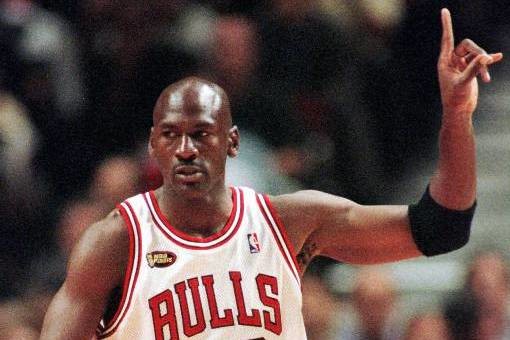
What Distinguishes the Top 1% Product Managers from the Top 10%?
What separates the top 1% of product managers from the top 10%: six qualities drawn from elite sports, including consistent decision-making under pressure, all-round impact across the product lifecycle, and the confidence to lead from the front when the stakes are highest.
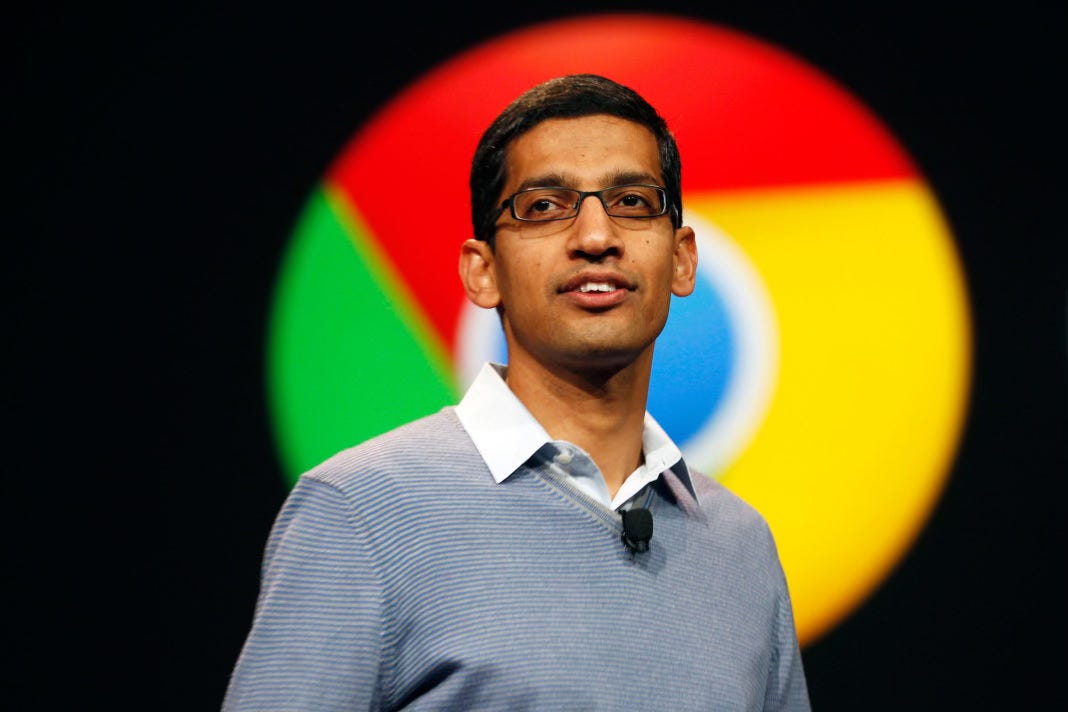
Product Professional to CEO
Why the path from product professional to CEO is not about title or authority but about the mindset of owning outcomes: illustrated by Sundar Pichai, Satya Nadella, Indra Nooyi, and two stories of people who behaved like product leaders before anyone gave them permission.
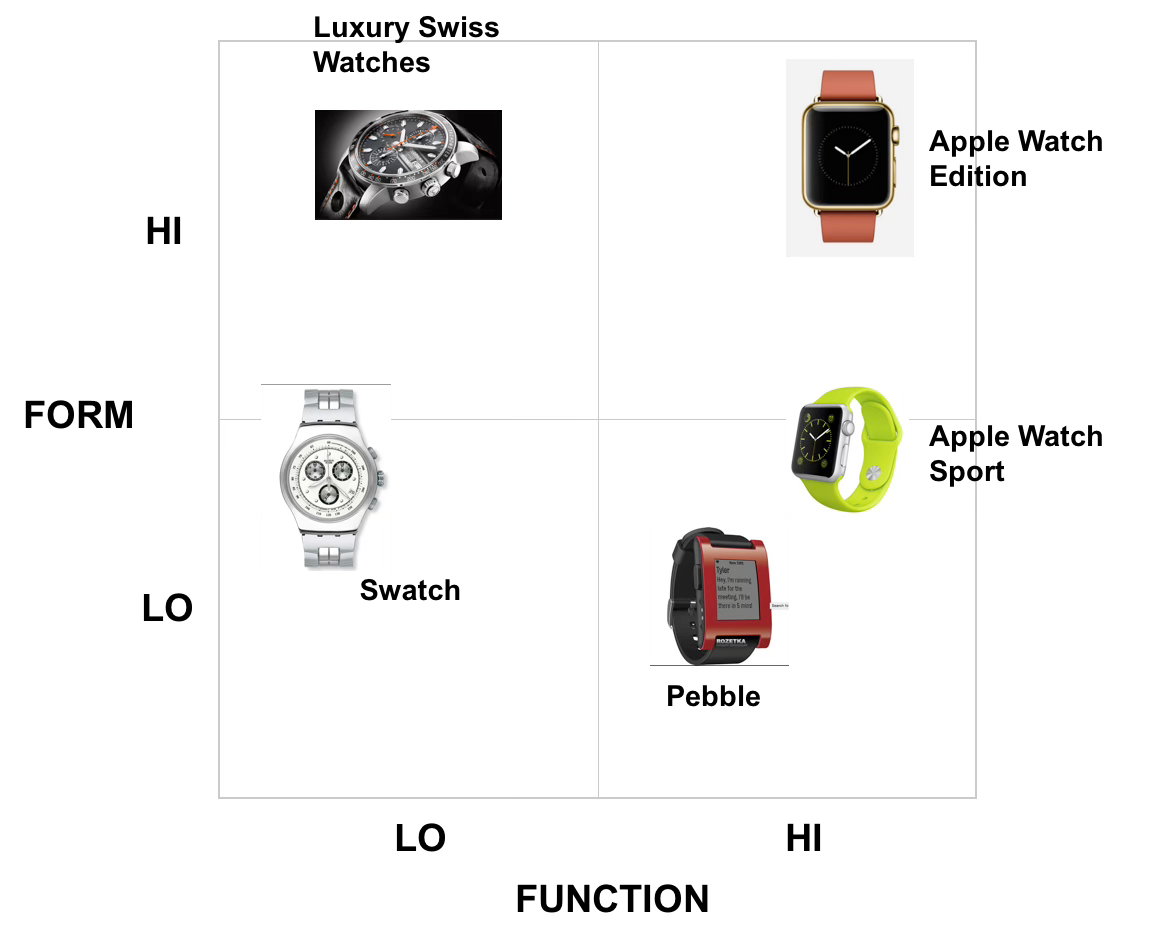
Jobs to be Done: What Job Do You Hire the Apple Watch For?
Applying Clayton Christensen's jobs-to-be-done framework to the Apple Watch launch, exploring why functional, social, and emotional jobs determine what product a customer will pay for and at what price.

What will Move the Needle? Leading vs Lagging Indicators
Why KPI dashboards often become a way to admire the problem rather than fix it: how to distinguish leading from lagging indicators and use the right metrics to actually move the needle.
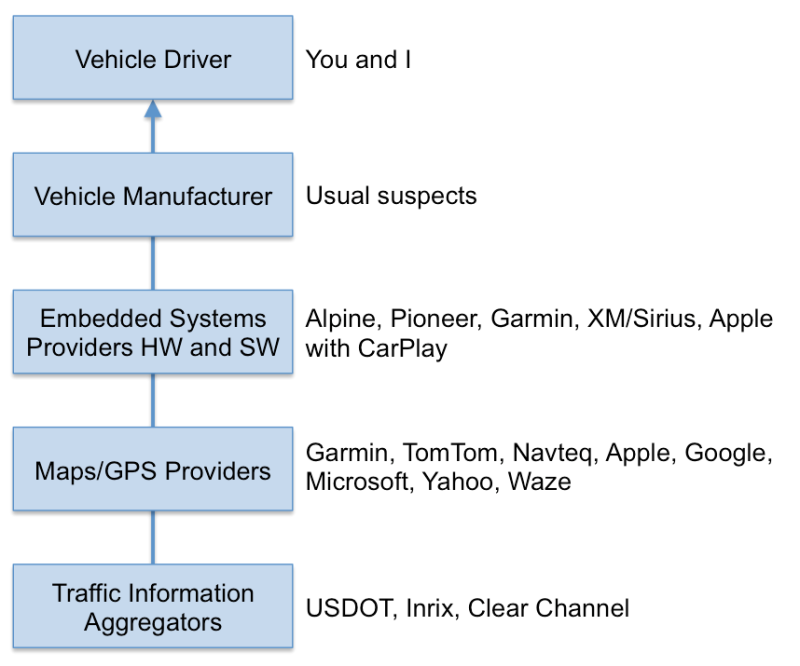
What Does It Mean to be a Big Data Product Manager
What it means to be a product manager in the big data era: how to navigate the infrastructure value chain, partner with engineering leaders, and solve the last-mile problem of turning analytics into genuine user value.
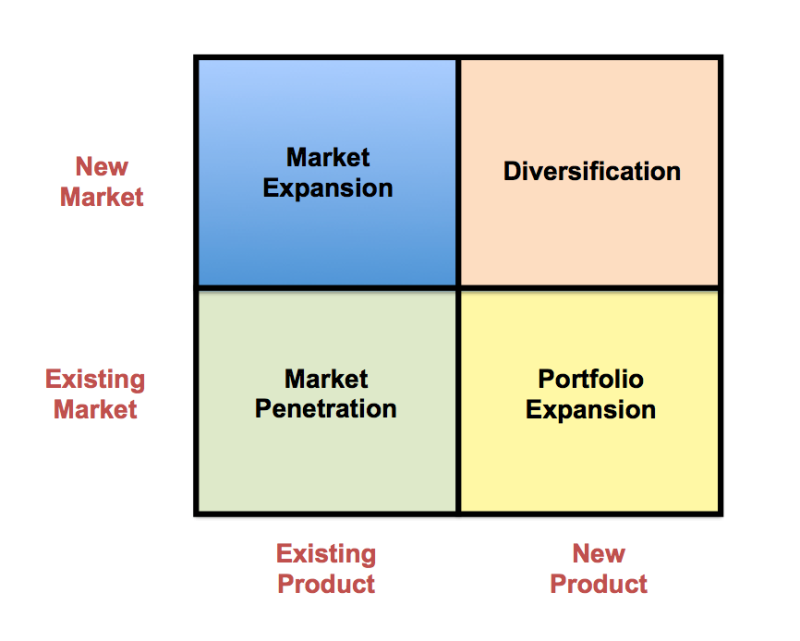
Facebook's acquisition of WhatsApp for $19B
Using Ansoff's Product/Market Expansion Model to explain why Facebook paid $19 billion for WhatsApp: how Facebook's failure to treat messaging and photo sharing as distinct jobs-to-be-done forced expensive acquisitions to recover lost ground.
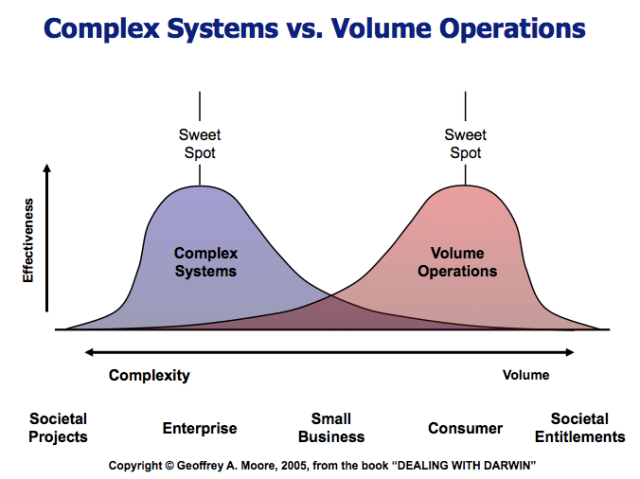
What Microsoft's New CEO Should Do
Microsoft's decline under Ballmer is traced to a single strategic mistake: abandoning its core competencies in enterprise platforms and developer ecosystems to chase consumer markets it was never built to win, and what the incoming CEO should do about it.

New Product Idea - A Watch for Blind People...Almost
The story of the Bradley timepiece, designed for blind people, offers four product development lessons: the value of rapid prototyping, one-on-one user testing, staying open to surprise, and the power of inclusive positioning.

The iPhone 5S Launch: Leave the Gun, Take the Cannoli
Using Kotler's Product Lifecycle framework and the Godfather's "leave the gun, take the cannoli" line to argue that as smartphones mature, the platform matters more than the device, and Apple's iPhone 5S keynote was right to emphasize it.
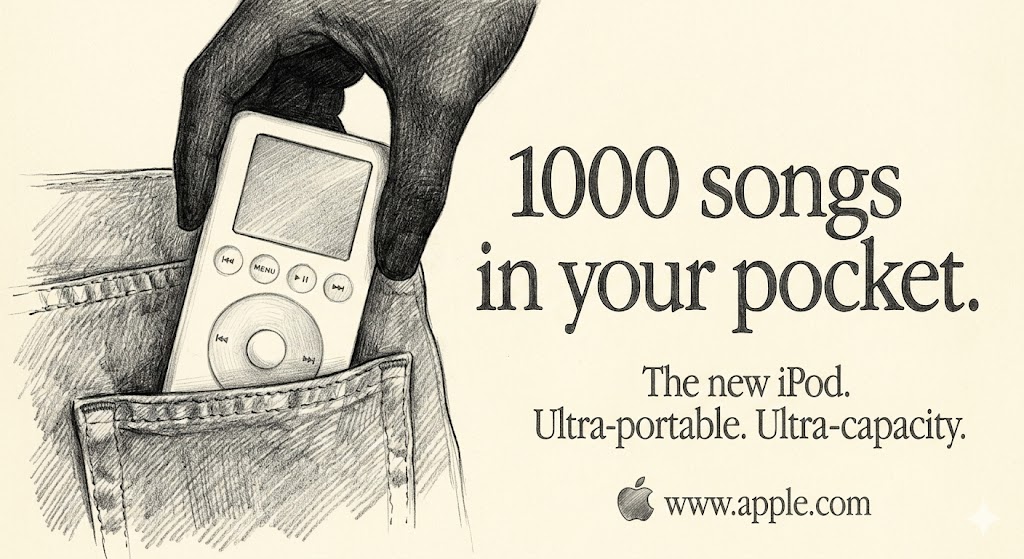
The Insanely Great Product Manager - Part 4: Communicate Value
Part four of the Insanely Great PM series deconstructs Steve Jobs' original iPod launch to show how great PMs communicate value: anchoring on user experience, not specs, and using positioning statements and metaphors to occupy space in customers' minds.
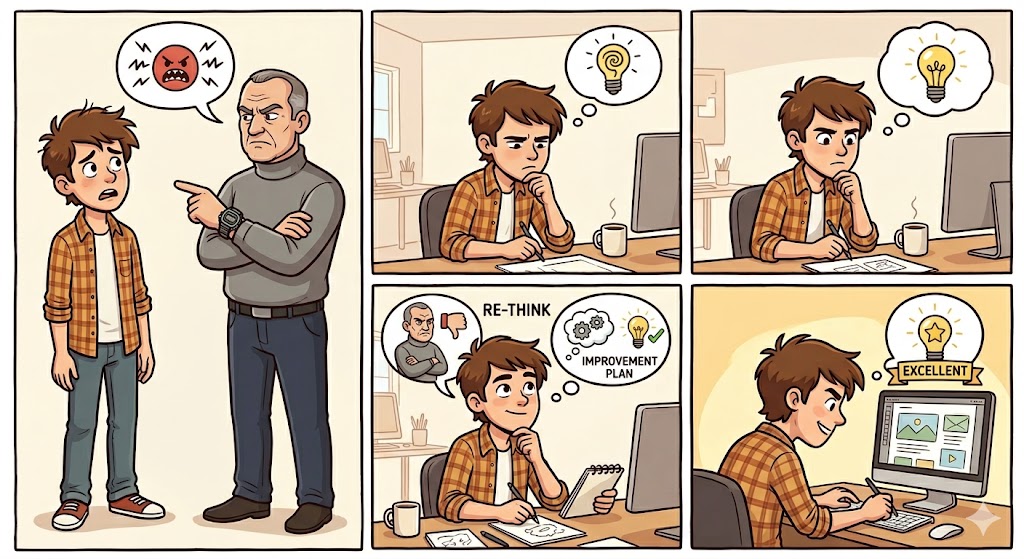
Your Work Sucks. Now What?
How to manage the massive bitterness that conjures up when someone tell you that your work sucks.
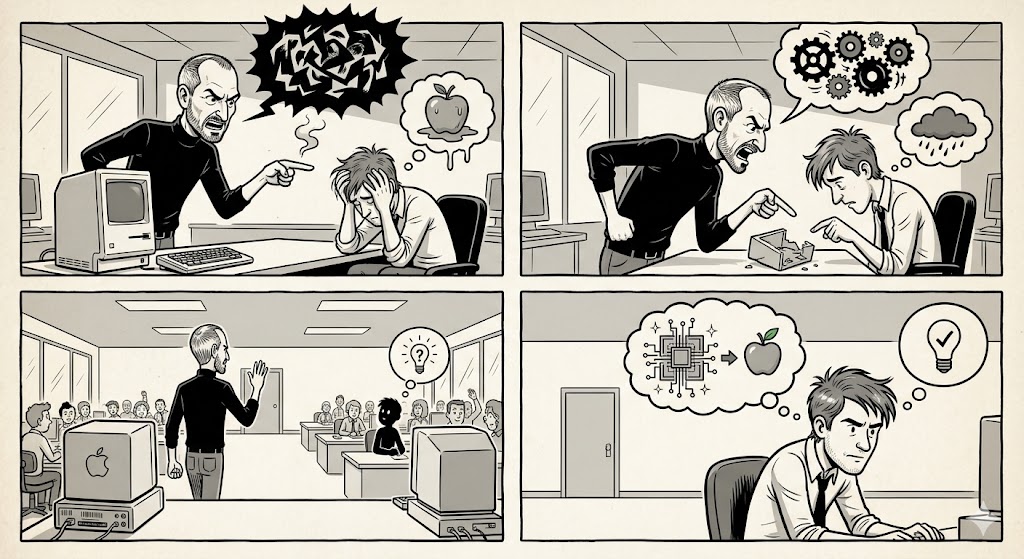
Your Work Sucks
That one sentence can probably encompass all the workplace related bitterness that Steve Jobs is said to have dished out to Apple employees.

Design Thinking and Airport Restrooms
A Charles de Gaulle airport restroom becomes a case study in design thinking, illustrating three stages of design maturity: consistent styling, fundamental rethinking of user experience, and design as a core competitive competency.
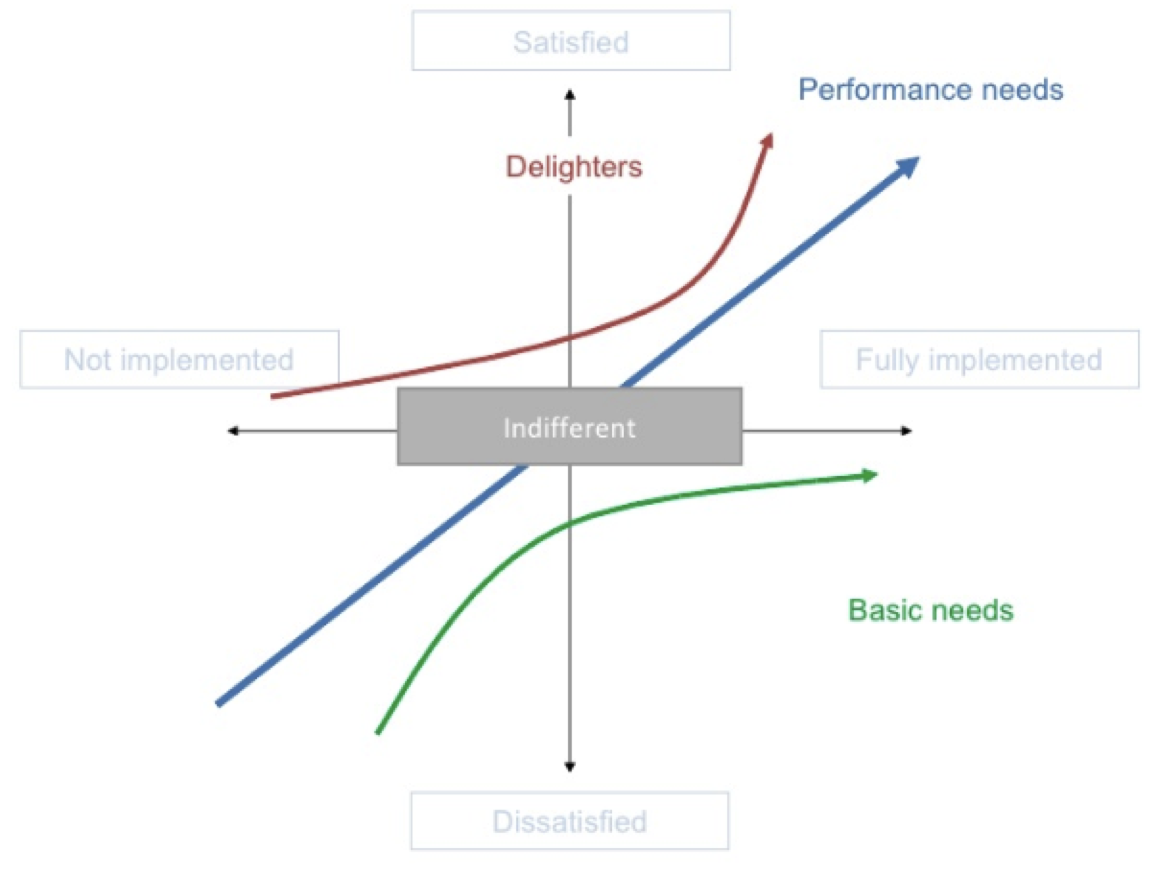
How Will You Measure Your Life...and Build Great Products?
Clayton Christensen's Herzberg-based motivation theory applied to product development: just as hygiene factors prevent job dissatisfaction without creating satisfaction, meeting basic product needs is not enough to delight customers.
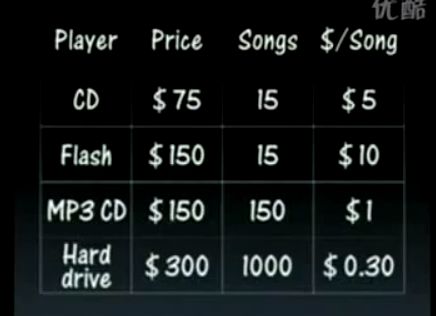
The Insanely Great Product Manager - Part 3: Capture Value
Part three of the Insanely Great PM series traces how Apple captured value from the iPod through three strategic phases, from Mac-only hardware sales to the iTunes Music Store, showing how business model innovation compounds competitive advantage.
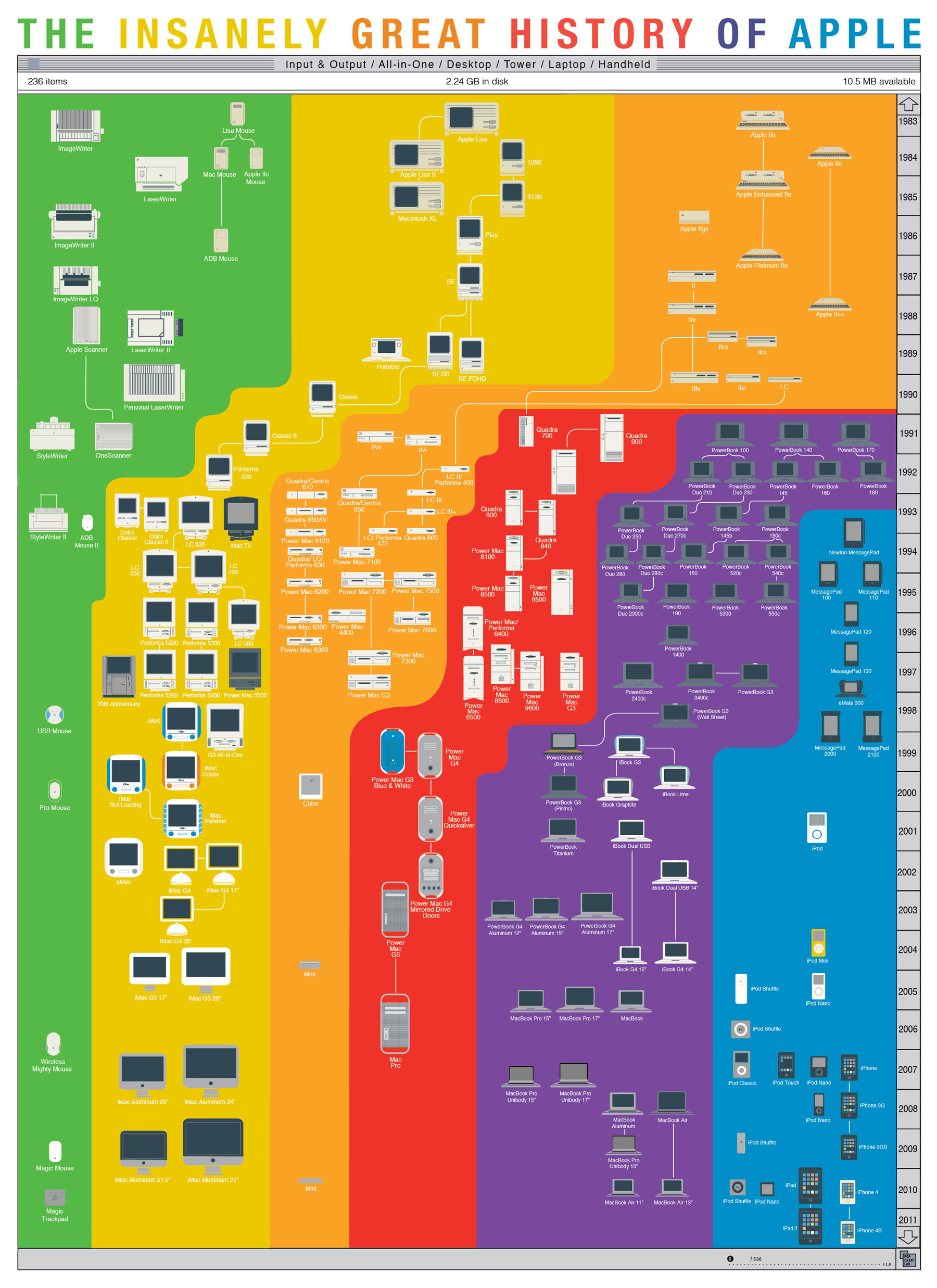
The Insanely Great Product Manager - Part 2: Create Value
Part two of the Insanely Great PM series examines how Apple created value through core competencies in design and hardware/software integration, and how product strategy around platforms and portfolio discipline drives exponential scale.
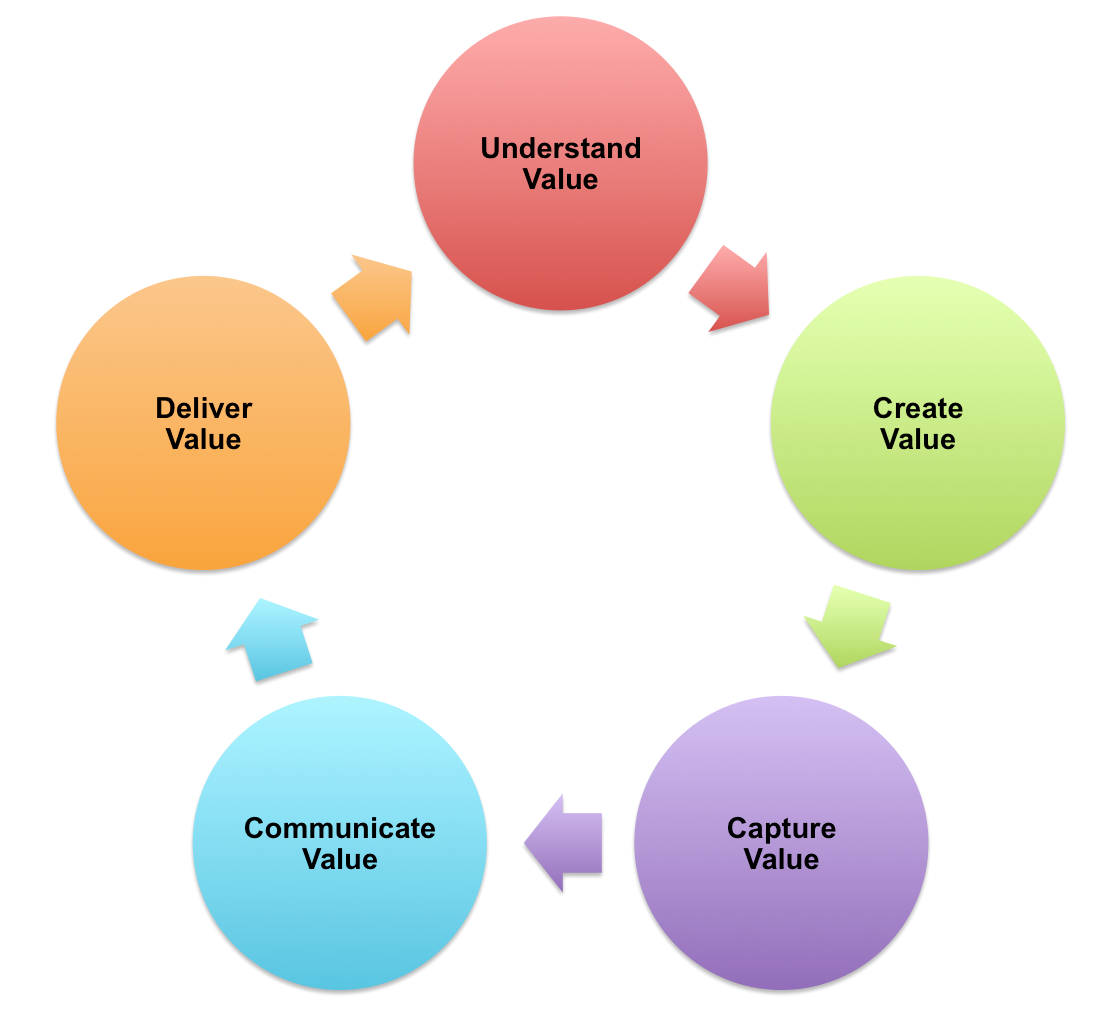
The Insanely Great Product Manager - Part 1: Understand Value
Part one of a five-part series on product management through the lens of Steve Jobs, focusing on how great PMs understand value by defining the right problem, using the Kano model to distinguish basic features from excitement attributes.
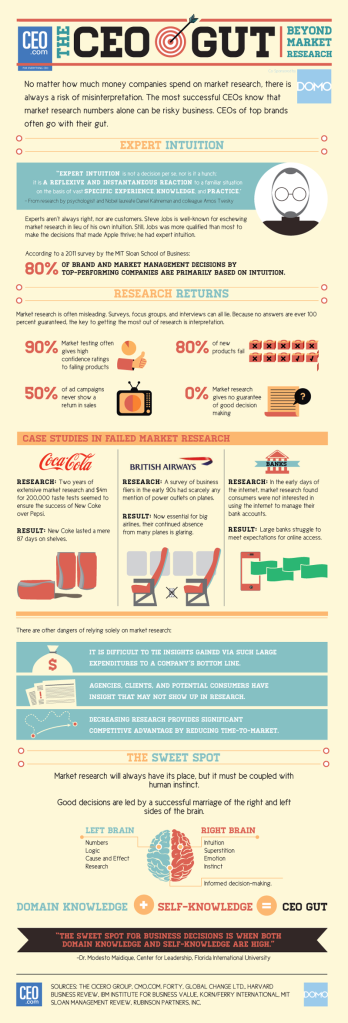
What If You Are Not Like Steve Jobs?
An argument for when intuition should lead and when market research should follow: the distinction between revolutionary and evolutionary products, and why the quality of the question matters more than the volume of data gathered.
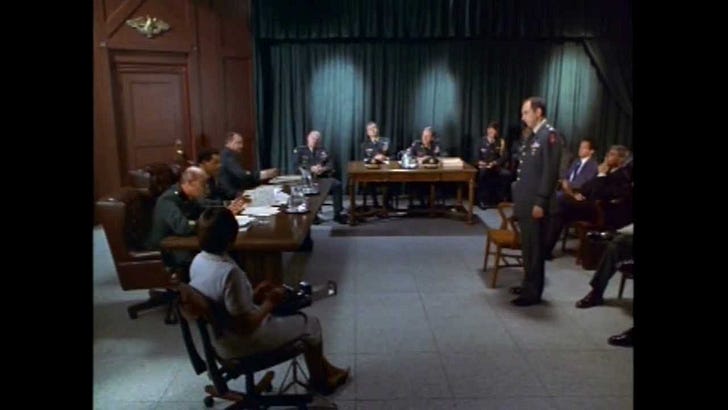
The Pentagon Wars - A Product Management Disaster
The Bradley Fighting Vehicle's disastrous development, depicted in the HBO film The Pentagon Wars, is a textbook product management failure: a PM without executive buy-in, engineers left out of key meetings, and a product redesigned on the fly to serve internal agendas rather than the customer.

Andy Bechtolsheim on Innovation
Five key lessons from Andy Bechtolsheim's Stanford talk on innovation: why being last to market can still win, how large companies suffer from the Horizon Effect, and what separates radical bets from incremental ones.

Leadership Lessons from Moneyball
Six leadership lessons drawn from the film Moneyball: how Billy Beane demonstrated the courage to define the real problem, challenge an entrenched culture, identify the right metrics, and keep morale high when the odds are stacked against you.